
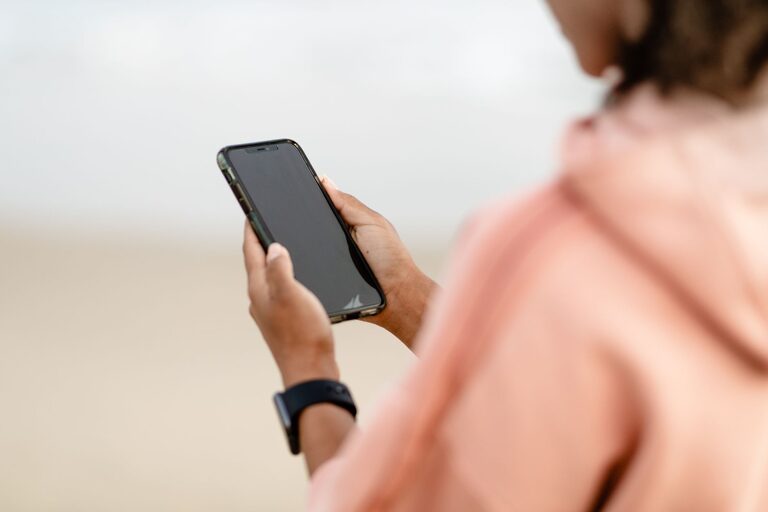
In today’s digital world, smartphones are a constant presence in our lives. While they offer incredible convenience and connectivity, excessive or unhealthy phone use can impact our mental and physical well-being. Developing healthy phone habits can help you strike a better balance between technology and real life. In this post, we’ll explore practical strategies to maintain healthy phone habits, so you can use your device mindfully and enjoy its benefits without feeling overwhelmed.
Why Healthy Phone Habits Matter
Smartphones keep us connected to family, friends, work, and entertainment. However, overuse can contribute to:
– Increased stress and anxiety
– Reduced focus and productivity
– Poor sleep quality
– Social isolation
– Physical discomfort like eye strain and neck pain
By cultivating healthy phone habits, you can reduce these risks and support your overall well-being.
Tips for Maintaining Healthy Phone Habits
1. Set Screen Time Limits
Many smartphones offer built-in features to track and limit screen time. Use these tools to:
– Monitor how much time you spend on your device daily
– Set daily or app-specific time limits
– Receive reminders when you approach your limits
These measures can help you become more aware of your usage and encourage moderation.
2. Create Phone-Free Zones and Times
Designate specific areas or times where phone use is discouraged:
– Keep phones out of the bedroom to improve sleep quality
– Avoid using phones during meals to foster better connection with others
– Establish “phone-free” hours, such as during work focus time or family activities
Creating these boundaries helps reduce distractions and encourages presence in the moment.
3. Turn Off Non-Essential Notifications
Constant notifications can pull your attention and increase stress. To manage this:
– Turn off notifications for non-urgent apps
– Use “Do Not Disturb” mode during focused work or rest periods
– Customize notification settings to only alert you for important messages
Reducing interruptions lets you regain control over your time and attention.
4. Practice Mindful Phone Use
Mindfulness involves being fully present in what you’re doing. Apply this mindset to phone use by:
– Checking your phone intentionally rather than habitually
– Asking yourself why you’re reaching for your phone (e.g., boredom, habit, actual need)
– Limiting multitasking on your device to avoid overwhelm
This helps you use your phone deliberately instead of out of reflex.
5. Prioritize Real-Life Interaction
While smartphones connect us virtually, nothing replaces face-to-face interaction. To nurture real relationships:
– Focus on in-person conversations without phone distractions
– Use your phone as a tool to arrange meetups rather than replace them
– Participate in offline hobbies and social activities
Balancing digital and real-world connections promotes deeper relationships and happiness.
6. Take Regular Breaks from Screens
Giving your eyes and mind a rest is important. Try these practices:
– Follow the 20-20-20 rule: every 20 minutes, look at something 20 feet away for 20 seconds
– Schedule short breaks from screens during the day
– Engage in activities that don’t involve technology, like walking or reading a book
Breaks help reduce eye strain, mental fatigue, and improve concentration.
7. Use Your Phone to Enhance Well-Being
Not all phone use is detrimental. Leverage your device to promote health by:
– Installing apps for meditation, exercise, or sleep tracking
– Listening to podcasts or audiobooks for learning and relaxation
– Using productivity tools to organize your day and reduce stress
Purposeful use can turn your phone into a positive resource.
Recognizing Warning Signs of Unhealthy Phone Use
Be aware of signs that may indicate problematic phone habits:
– Feeling anxious or restless without your phone
– Neglecting responsibilities or social life due to phone use
– Repeatedly checking your phone even when not necessary
– Difficulty sleeping because of late-night screen time
If you notice these patterns, consider adjusting your habits or seeking support.
Final Thoughts
Smartphones are valuable tools, but like any tool, they work best when used wisely. By setting boundaries, practicing mindfulness, and prioritizing real-life connections, you can maintain healthy phone habits that support your mental and physical health. Start with small changes and gradually build a balanced relationship with your device for a happier, more focused life.
—
Developing healthy phone habits is a journey. Remember, it’s about progress, not perfection. With mindful effort, you can enjoy the benefits of technology while staying grounded in the present.
